Loading...
Serving Pasadena, CA and surrounding areas. (213) 635-1499
Pasadena Asphalt Paving Company handles asphalt repair, driveway paving, crack sealing, and pothole repair for homes and businesses throughout Monrovia. We understand the foothill lots, the clay soils that shift with every wet-dry cycle, and the building stock that goes back to the 1920s - so we plan every job around the conditions that actually exist here, not a generic San Gabriel Valley checklist.
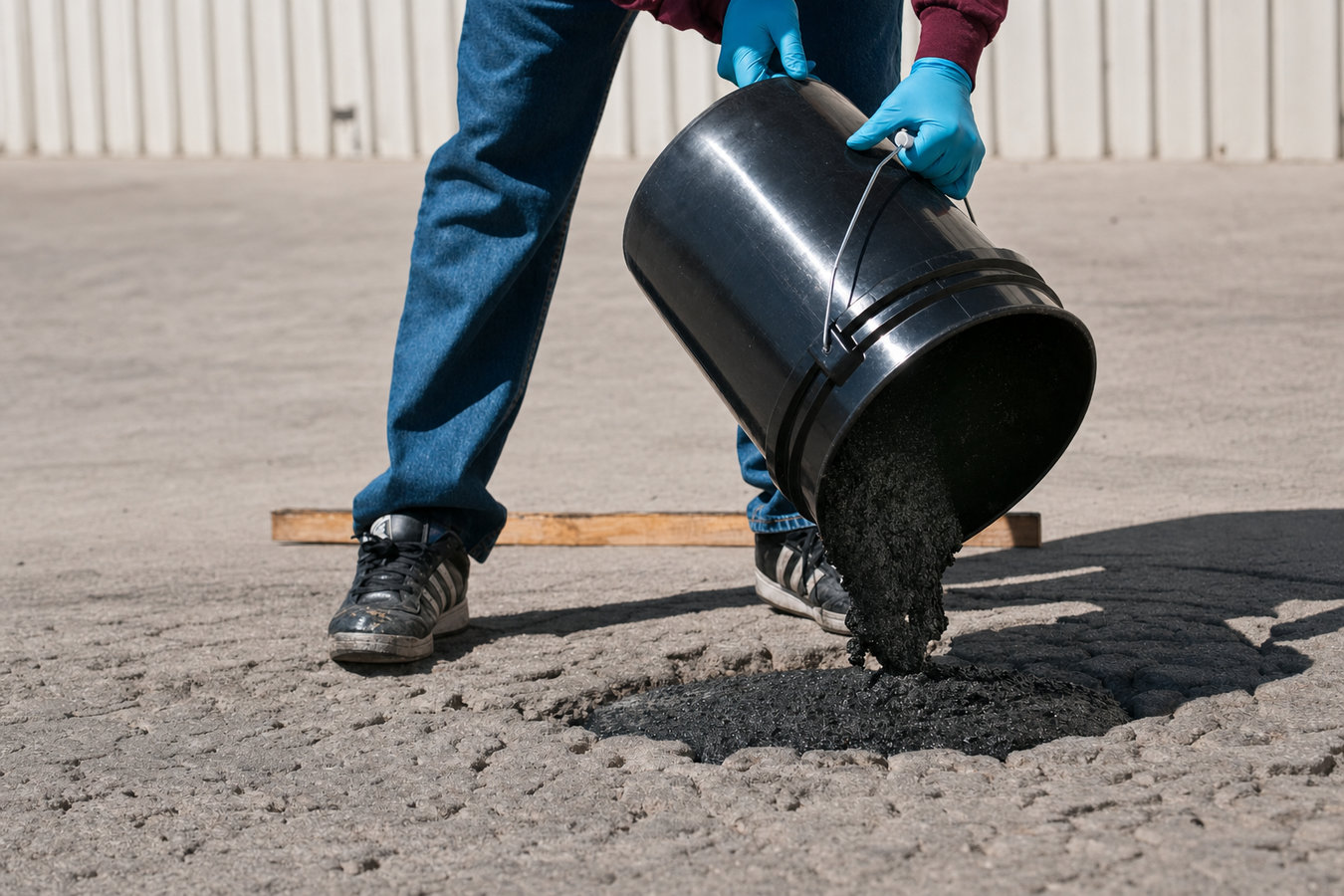
Monrovia driveways from the 1940s through the 1960s often show deep cracks, surface raveling, and soft spots where water has worked into the clay base below. Our asphalt repair service addresses the damage at its source - removing failed material, stabilizing the base, and patching with hot-mix asphalt that bonds to the surrounding surface.
Many Monrovia homes near the foothills have sloped driveways that complicate standard paving work - proper drainage and compaction on an incline require different planning than a flat suburban lot. We grade and pave driveways on hillside and terraced Monrovia properties where the layout demands extra care.
Monrovia winters send mountain runoff straight down hillside streets and into driveway cracks, softening the clay base below and widening surface damage with every rain cycle. Sealing cracks before the wet season arrives keeps water out of the base and stops small surface problems from turning into full-depth failures.
The commercial blocks along Myrtle Avenue and Huntington Drive in Monrovia see steady vehicle traffic that accelerates pothole formation once water compromises the base. We saw-cut, remove the damaged section, recompact the sub-base, and fill with hot-mix asphalt for repairs that handle daily commercial use without recurring failures.
Monrovia summers regularly push temperatures into the 90s and above, baking asphalt surfaces for months on end. UV radiation slowly breaks down the binder that holds asphalt together, leaving it dry and prone to cracking. A fresh sealcoat every two to three years blocks UV and gives the surface a protective barrier against the fall Santa Ana winds that follow.
Monrovia's foothill location channels heavy winter rain toward homes faster than flat valley cities experience. Properties on sloped lots often pool water at the base of driveways or along fences, which then saturates the clay below. We install channel drains, re-grade surface flow, and correct drainage problems that keep recurring after every rain season.
Monrovia was founded in the 1880s and most of the residential neighborhoods that make up the city today were built between the 1920s and 1960s. That means a large share of the driveways, parking pads, and surface flatwork throughout Monrovia is now 60 to 100 years old - well beyond the original design life of any paving material. Craftsman bungalows, Spanish-style stucco homes, and mid-century ranch houses are the common building types here, and nearly all of them came with narrow concrete or early asphalt driveways that have been repaired, patched, and re-patched over the decades. At some point, patching stops being cost-effective and a new base and surface is the right answer.
The geography adds a second layer of challenge. Monrovia sits directly at the base of the San Gabriel Mountains, and properties in the northern part of the city sit on sloped or terraced lots where drainage from the hillsides above puts constant pressure on paved surfaces. According to the U.S. Geological Survey, the expansive clay soils common throughout the San Gabriel Valley amplify the wet-dry seasonal cycle into real structural movement. A contractor who has not worked in this specific foothill zone may not plan for the drainage and compaction requirements that make paving work last here.
Our crew works throughout Monrovia regularly, and we understand the local conditions that affect asphalt paving work here. The city divides fairly clearly into two zones: the flat valley-floor neighborhoods south of Foothill Boulevard with more standard lot layouts, and the hillside streets north of town where sloped driveways, retaining walls, and fast mountain runoff are facts of life on every job. We pull permits through the City of Monrovia when required and know what the city's Building and Safety Division needs to issue approvals without back-and-forth delays.
Old Town along Myrtle Avenue, the residential streets near Monrovia Canyon Park, and the older neighborhoods between Huntington Drive and the 210 freeway all show up regularly in our schedule. We are also familiar with the foothill fire hazard conditions that apply to properties near the Angeles National Forest - something that affects material selection and access planning on jobs in the northern parts of the city. Our team also serves nearby Temple City and Arcadia, so we understand how conditions differ across this part of the San Gabriel Valley.
Reach out by phone or through our contact form. We respond within one business day and schedule a free on-site visit at a time that works for you.
We walk the property, check the base condition, and assess the drainage situation - especially important on Monrovia's sloped foothill lots. You get a written estimate with the full scope before we ask you to commit to anything.
Our crew arrives on the agreed date, handles any needed base prep first, then lays and compacts the asphalt surface. Most residential jobs in Monrovia wrap up in a single day.
We give you clear curing instructions - typically 24 to 48 hours before vehicle use - and let you know what to watch for in the first season. We are available if questions come up after completion.
We serve Monrovia and the surrounding San Gabriel Valley foothill area. Free estimates, written quotes, and no surprise charges.
(213) 635-1499Monrovia is a mid-sized city of roughly 35,000 to 40,000 people in the San Gabriel Valley, set at the base of the San Gabriel Mountains in Los Angeles County. The city was founded in the 1880s, making it one of the older communities in the valley, and that history is visible in its neighborhoods. The older central and northern areas feature craftsman bungalows and Spanish-style stucco homes built between the 1920s and 1950s, sitting on modest lots with original concrete or early asphalt driveways. Southern neighborhoods closer to Interstate 210 are flatter and include a mix of single-family homes, apartment buildings, and commercial properties built during the mid-century suburban expansion. Old Town Monrovia on Myrtle Avenue is the walkable historic district at the city's core, home to restaurants, shops, and the long-running Friday Night Street Fair and Farmers Market.
The northern edge of Monrovia borders the Angeles National Forest directly, giving the city its distinctive foothill setting and shaping the conditions that contractors working here have to plan around. Monrovia Canyon Park, a city-owned wilderness area with hiking trails and a year-round waterfall, sits just above the residential streets in the northern hills. Properties in that part of town deal with steep slopes, fast runoff in winter, and fire hazard exposure that is simply not present on the flat valley floor. The neighboring cities of Arcadia to the west and Temple City to the southwest share similar postwar housing stock and clay soil conditions, but Monrovia's foothill character and older founding give it a property inventory unlike any of its neighbors.
Protect your pavement and extend its life with professional sealcoating.
Learn MoreKeep your lot organized and compliant with crisp, durable line striping.
Learn MoreFull-service parking lot paving for commercial and residential properties.
Learn MoreResurface worn pavement for a like-new look at a fraction of replacement cost.
Learn MoreProper grading and excavation for a stable, long-lasting paving base.
Learn MoreDurable concrete curbing and sidewalks to complete your paving project.
Learn MoreEffective drainage systems that protect your pavement from water damage.
Learn MoreMonrovia driveways and lots take a beating from the foothill conditions, clay soils, and winter runoff - the sooner you address damage, the less it costs to fix.